Skip to content
USAID: From The American People TB-DIAH: Tuberculosis Data, Impact Assessment and Communications Hub
  • Knowledge Hub
  • Data Hub
  • Home
  • About
    • Project Overview & Objectives
    • TB DIAH Team
  • Countries
    • Afghanistan
    • Bangladesh
    • Burma
    • Cambodia
    • DRC
    • Ethiopia
    • India
    • Indonesia
    • Kenya
    • Kyrgyz Republic
    • Malawi
    • Mozambique
    • Nigeria
    • Pakistan
    • Philippines
    • South Africa
    • Tajikistan
    • Tanzania
    • Uganda
    • Ukraine
    • Uzbekistan
    • Vietnam
    • Zambia
    • Zimbabwe
  • Tools
    • ARCAssessment of Data Collection, Reporting & Analysis Capacity
    • D2ACData-to-Action Continuum Toolkit
    • MESSAM&E and Surveillance Systems Assessment
    • PBMEFPerformance-Based M&E Framework
    • QTSAQuality of Tuberculosis Services Assessment
    • STEPSurveillance and TB M&E Strengthening Plan
  • Resources
    • Capacity Strengthening
    • Center of Excellence
    • e-Learning Courses
    • NTP Website Activity
    • Resource Library
  • News
    • TB DIAH Digest
    • Social Media
    • 2023 Union Conference
    • Webinars

Resource Tag: Childhood TB

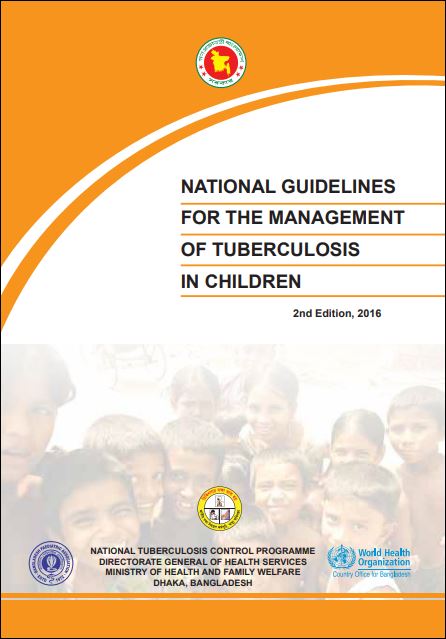
National Guidelines for the Management of Tuberculosis in Children

National Guidelines for the Management of Tuberculosis in Children
Author(s): NTP, Bangladesh and WHO, Bangladesh
Year: 2016
Filed under: Bangladesh, Childhood TB, Children, Guidance and Tools, Management
Continue Reading

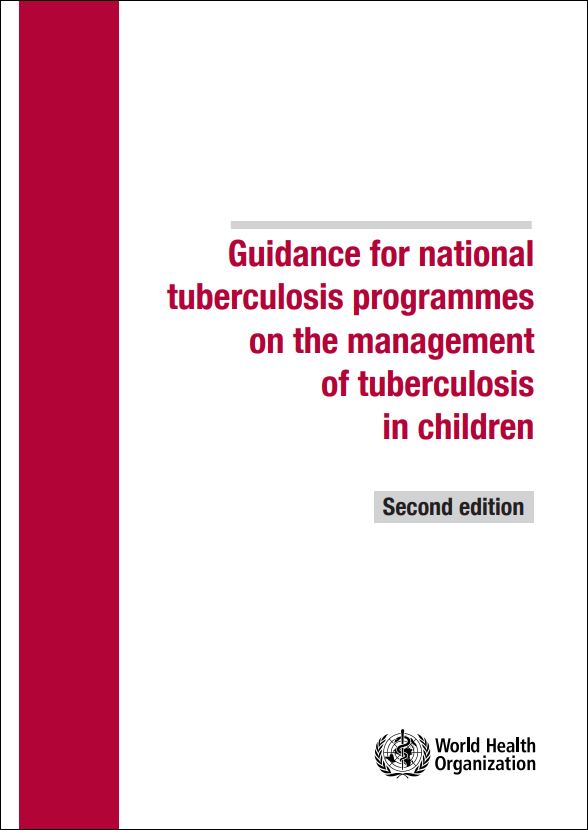
Guidance for national tuberculosis programmes on the management of tuberculosis in children

Guidance for national tuberculosis programmes on the management of tuberculosis in children
Author(s): World Health Organization
Year: 2014
Filed under: Childhood TB, Children, Drug-resistant TB, Guidance, Guidance and Tools, NTP, TB and HIV, Universal access
Continue Reading

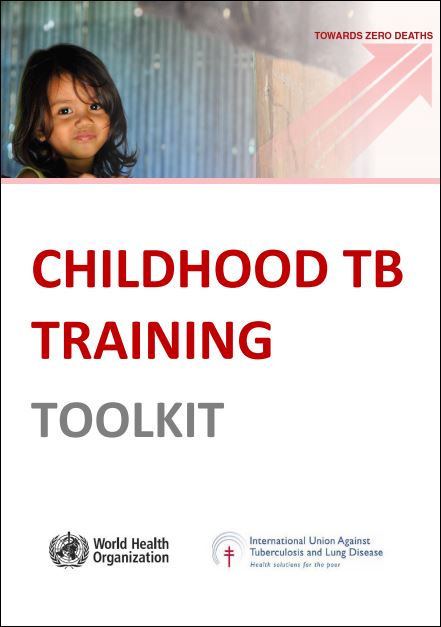
Childhood TB: Training Toolkit

Childhood TB: Training Toolkit
Author(s): World Health Organization
Year: 2014
Filed under: Case detection, Childhood TB, Diagnosis, Guidance and Tools, NTP, Prevention, Toolkit, Training, Treatment, Universal access
Continue Reading

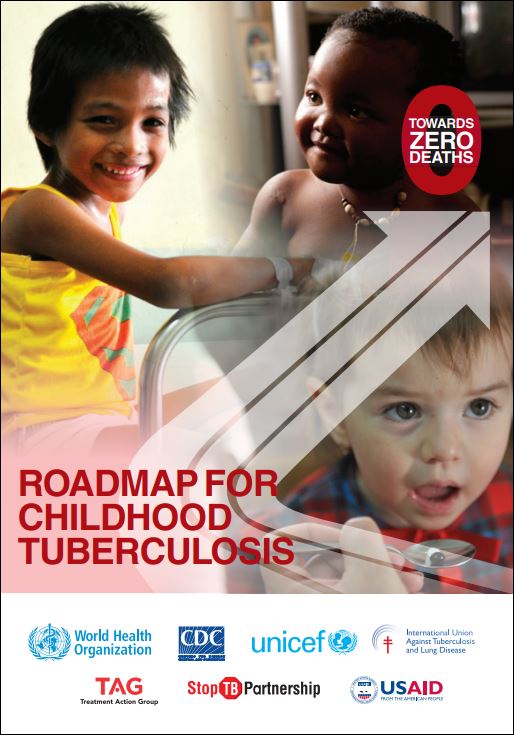
Roadmap for Childhood Tuberculosis – Towards Zero Deaths

Roadmap for Childhood Tuberculosis – Towards Zero Deaths
Author(s): World Health Organization
Year: 2013
Filed under: Childhood TB, Guidance and Tools, Mortality, Roadmap, Universal access
Continue Reading

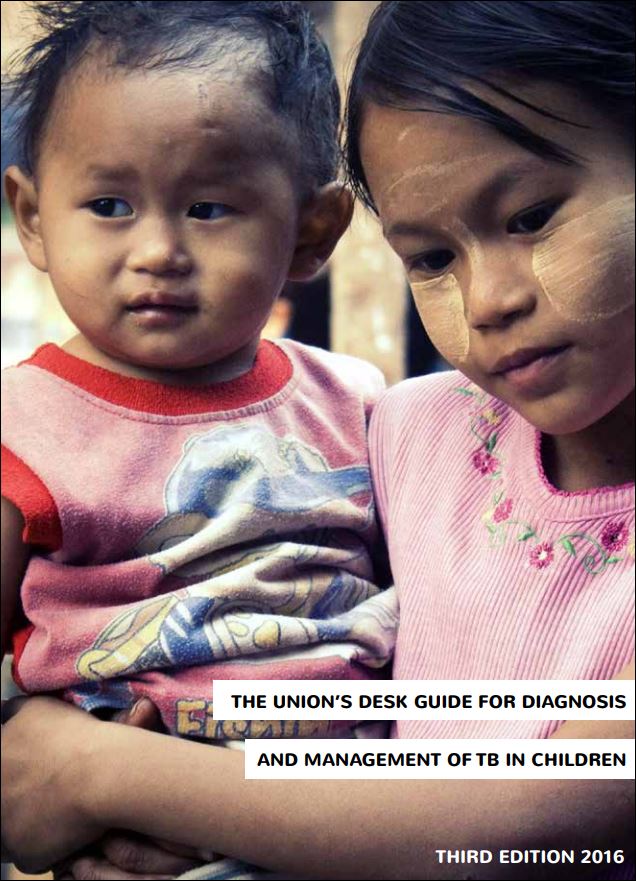
Desk Guide for the Management and Treatment of Childhood TB

Desk Guide for the Management and Treatment of Childhood TB
Author(s): International Union Against Tuberculosis and Lung Disease
Year: 2016
Filed under: Case management, Childhood TB, Guidance and Tools, HIV, TB and HIV, Universal access
Continue Reading

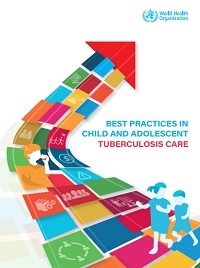
Best practices in child and adolescent tuberculosis care

Best practices in child and adolescent tuberculosis care
Author(s): World Health Organization
Year: 2018
Filed under: Adolescents, Best practices, Childhood TB, Children, Guidance, Guidance and Tools, TB care
Continue Reading

Challenges and controversies in childhood tuberculosis

Challenges and controversies in childhood tuberculosis
Author(s): The Lancet
Year: 2019
Filed under: Assessment, Childhood TB, Children, Journal Article, Research
Continue Reading
  • Knowledge Hub
  • Data Hub
TB DIAH Project
University of North Carolina
123 West Franklin Street, Suite 330
Chapel Hill, North Carolina 27516 USA
About
Countries
Topics
Resource Library
News
TB DIAH Digest
Special Features
Assessments
TB Data Hub
Objectives

The TB DIAH project is part of USAID's performance-based measures to end TB—the Global Accelerator to End Tuberculosis. This TB DIAH website features a data hub, guidance, and tools to support the work of the global TB community. TB DIAH makes possible optimal analysis and use of TB data to inform national TB programs, policies, and USAID-supported interventions.

This information was produced with the support of the United States Agency for International Development (USAID) under the terms of the TB Data, Impact Assessment and Communications Hub (TB DIAH) Associate Award No. 7200AA18LA00007. TB DIAH is implemented by the University of North Carolina at Chapel Hill, in partnership with John Snow, Inc. Views expressed are not necessarily those of USAID or the United States government.