Webinar: Introducing the New USAID Monitoring, Evaluation and Learning (MEL) Plan Template for Tuberculosis Author(s): TB DIAH Year: 2024 Filed under: MEL, mel plans, monitoring and evaluation, monitoring evaluation and learning, PBMEF, performance based monitoring and evaluation, Reporting, reporting requirements, TB, tb projects, template, Tuberculosis, USAID, webinar Continue Reading
Webinar: New Tools for Tuberculosis Monitoring and Evaluation and Global Surveillance Guidance Updates from USAID and WHO Author(s): TB DIAH Year: 2024 Filed under: global guidance, Indicators, monitoring and evaluation, PBMEF, performance based monitoring and evaluation, TB, TB indicators, tb monitoring, TB surveillance, Tools, Tuberculosis, USAID, webinar, WHO, World Health Organization Continue Reading
Webinar: Using a Virtual Center of Excellence (COE) Model to Strengthen TB Monitoring and Evaluation Author(s): TB DIAH Year: 2024 Filed under: center of excellence, COE, Eastern Europe, eastern europe and eurasia, EEE, eurasia, implementation, leadership, national center for disease control, national center for TB and lung disease, ncdc, NCTLD, region, regional, Sustainability, TB, Tuberculosis, USAID, virtual, webinar, WHO, World Health Organization Continue Reading
Webinar | Global Preview: TB Performance-Based Monitoring and Evaluation Framework and TB Monitoring & Evaluation e-Learning Course Year: 2024 Filed under: Analysis, Course, e-learning, elearning, Framework, Guidance, Guidance and Tools, Indicators, learning, monitoring and evaluation, online course, online learning, PBMEF, performance based monitoring and evaluation, Reporting, TB, TB data, TB indicators, Tools, Tuberculosis, USAID, webinar Continue Reading
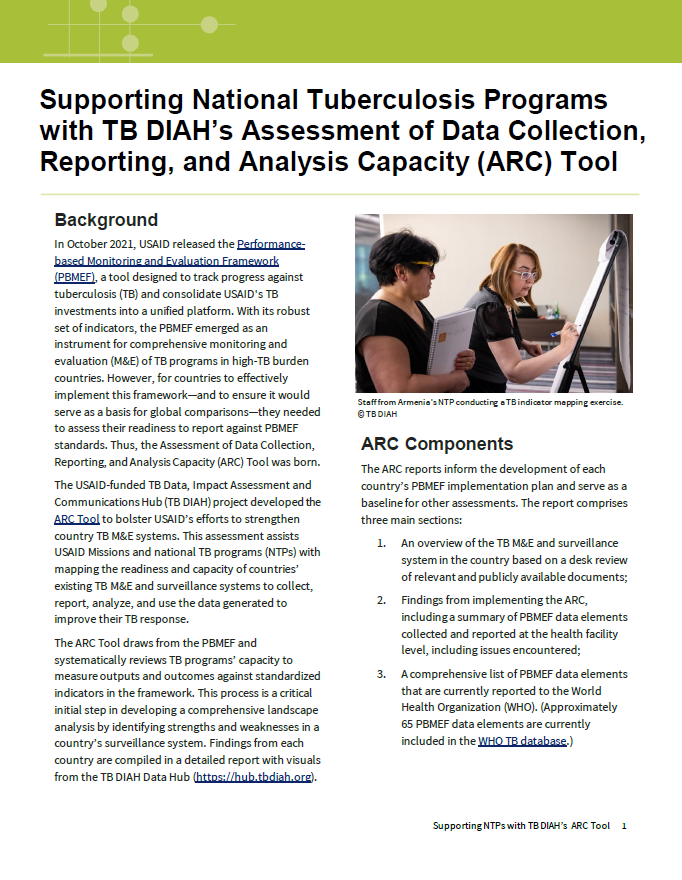
Supporting NTPs with TB DIAH’s ARC Tool Author(s): TB DIAH Year: 2024 Filed under: Analysis, analysis capacity, ARC, ARC tool, Assessment, Data, data analysis, data collection, data hub, data reporting, Indicators, landscape analysis, Mission, Missions, Monitoring, monitoring and evaluation, National TB programs, NTP, PBMEF, performance based monitoring and evaluation, Reporting, Surveillance, surveillance system, TB, TB surveillance, Tuberculosis, USAID Continue Reading
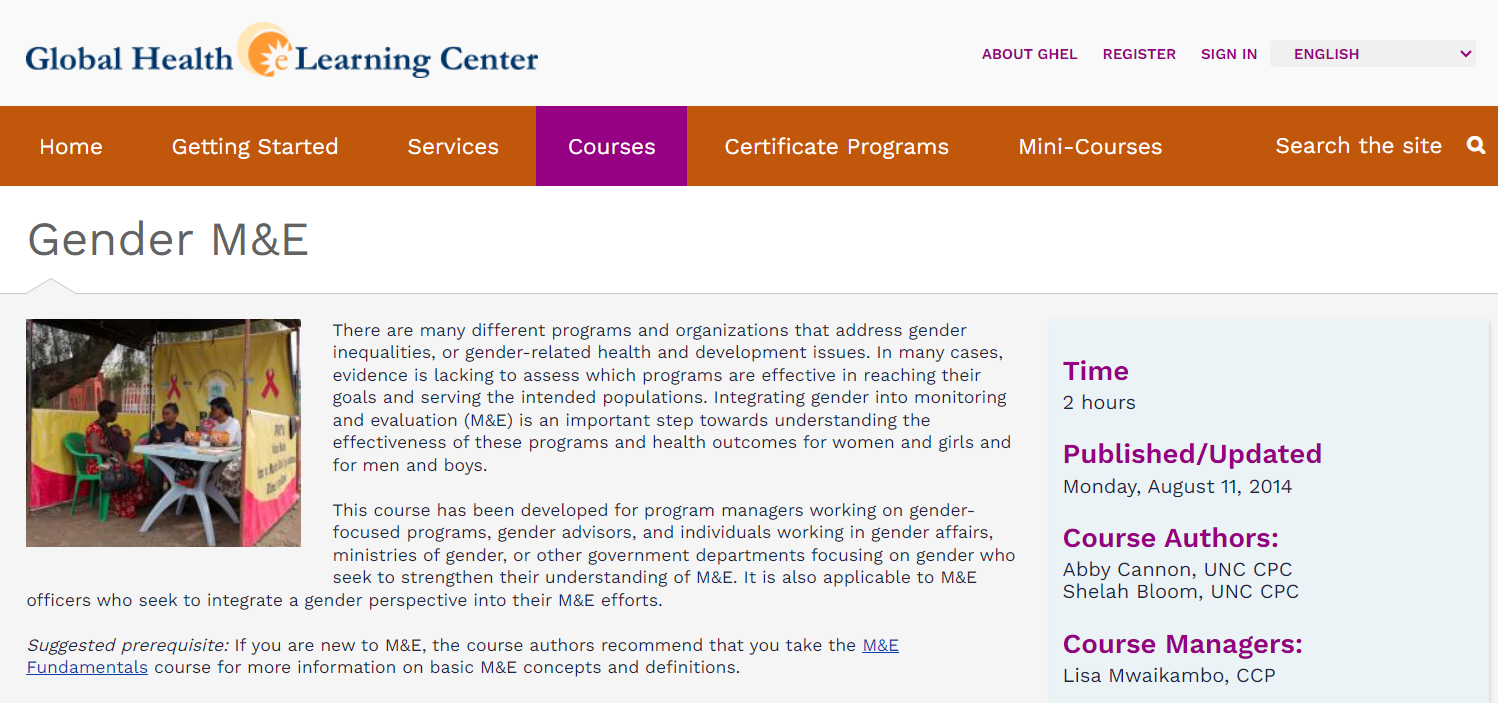
Gender M&E Author(s): Global Health Learning Center Year: 2014 Filed under: Course, e-course, e-learning, Evaluation, Gender, Global health, global health learning, learning, Monitoring, USAID Continue Reading
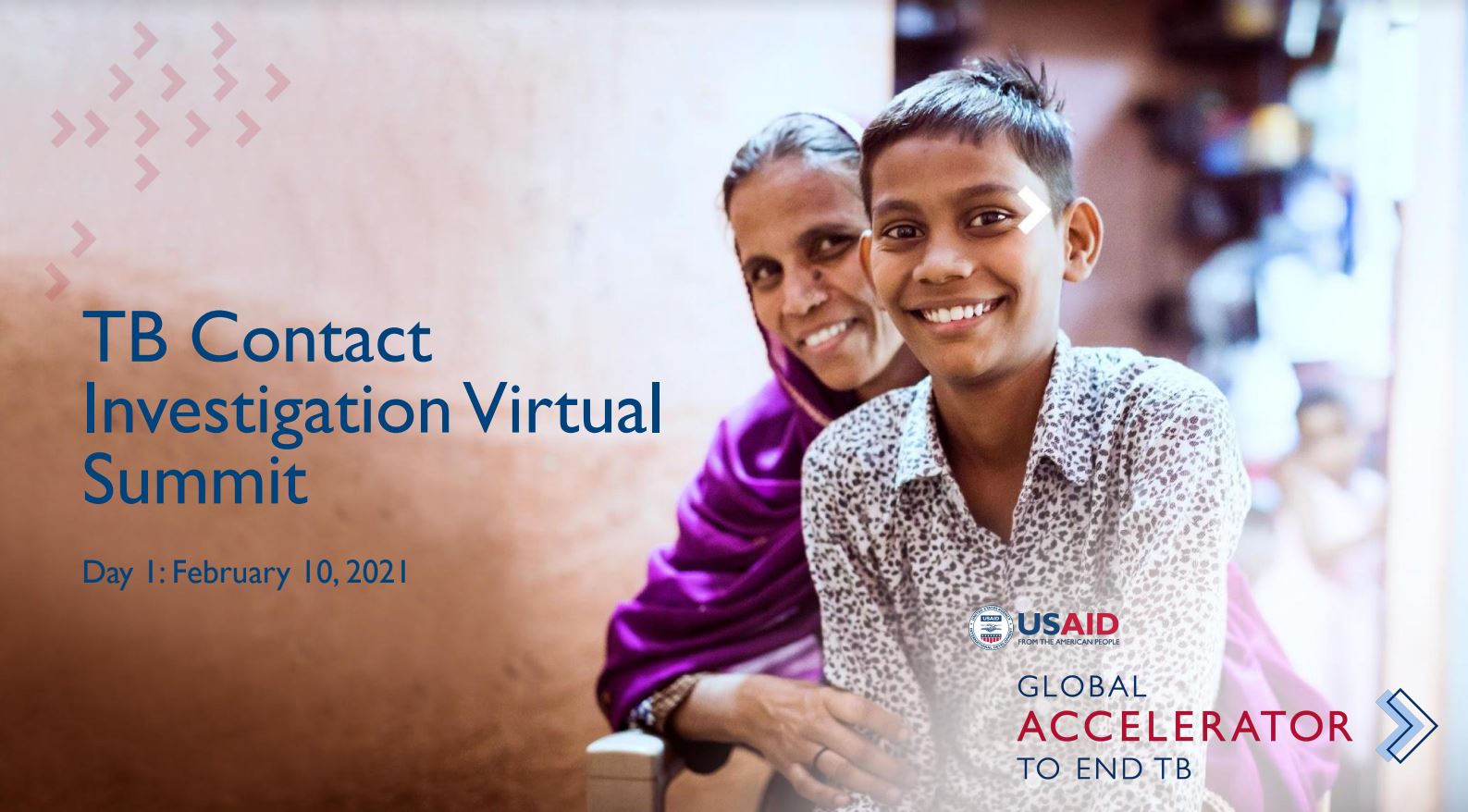
USAID Tuberculosis Contact Investigation Virtual Summit Resources Author(s): United States Agency for International Development Year: 2021 Filed under: Contact investigation, Meeting, Tuberculosis, USAID, video Continue Reading
Zambia Partnership Statement Author(s): United States Agency for International Development Year: 2019 Filed under: Accountability, Partnership, USAID, Zambia Continue Reading
Vietnam Partnership Statement Author(s): United States Agency for International Development Year: 2019 Filed under: Accountability, Partnership, USAID, Vietnam Continue Reading
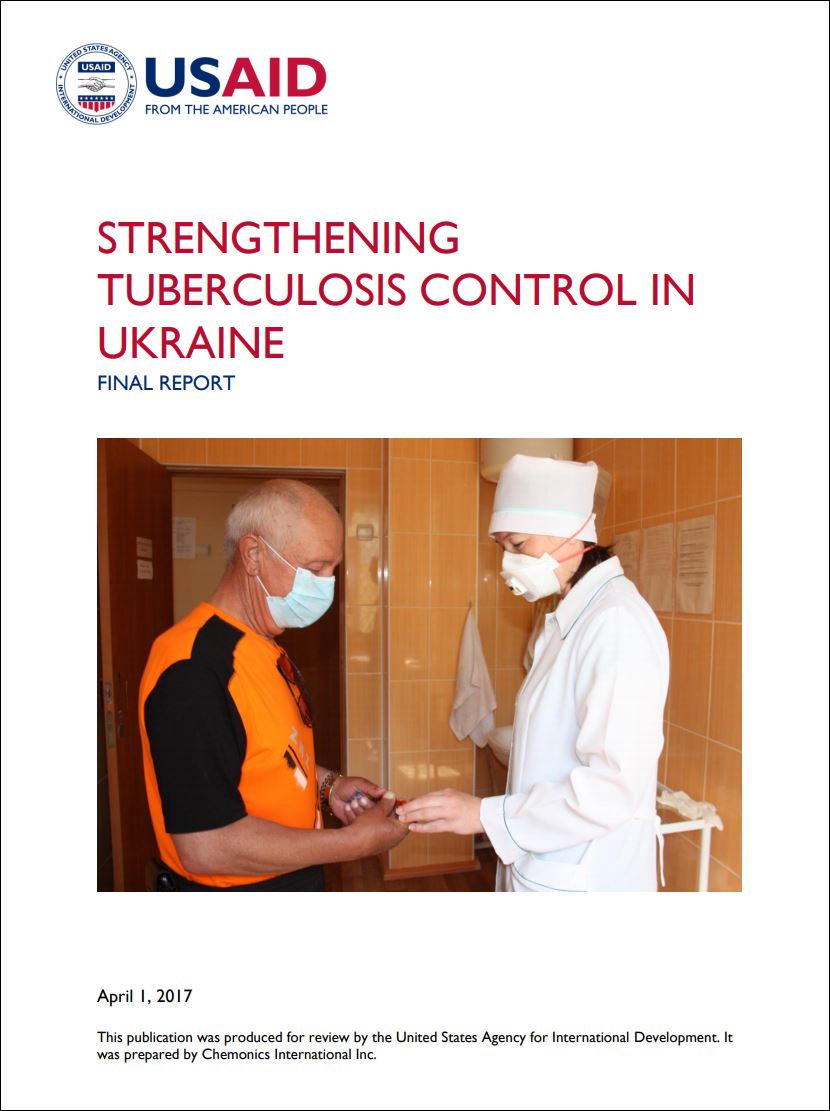
Strengthening Tuberculosis Control in Ukraine: Final Report Author(s): United States Agency for International Development Year: 2017 Filed under: Co-infection, Drug-resistant TB, HIV, mdr-tb, multidrug-resistant TB, Report, STbCU, TB control, Ukraine, USAID, XDR Continue Reading